You finish building a trolley for your kitchen. A friend comes over, takes a look and asks: “Could you make one for me?”
Before you answer, you start doing the sums. You know what the materials cost. You remember how long it took. And now that you have built one, you have a few ideas for improving the next.
That is a useful place to start if you have been thinking about selling something you make.
With Connect-it components forming the framework, there is room to develop practical products around the spaces and problems people have. A customer might need shelving that fits an awkward garage wall, a workbench at a comfortable height or a display stand for a small market stall.
Here are five builds worth exploring:


A garden bench for a particular spot
Someone looking for a garden bench usually has a place in mind. Under a tree. Against the wall on the stoep. Beside the front door, where there is just enough room to sit and take off muddy shoes.
Ask about that space before deciding on the dimensions. How many people should the bench seat? Will it stand under cover or be exposed to rain? What seat material and finish would suit the setting?
A sample bench gives potential customers something to inspect and try. Pay attention to comfort, stability, smooth edges and the finish. For outdoor use, check that every material and component is suitable for the intended conditions.
Photograph it where someone would actually use it. A finished bench on a stoep is easier to picture at home than a frame standing in the workshop.

Storage shelving that fits
Anyone who has tried to organise a garage knows the frustration of shelves that almost work. The unit is too wide for the wall, too shallow for the storage boxes or just tall enough to block the light switch.
This is where building to order can be useful.
Start with what the customer wants to store, then measure the available space. Camping equipment, stock for a home business and household cleaning supplies each call for a different arrangement.
Agree on the shelf spacing, overall dimensions and intended loads before quoting. Check the suitability of the components and shelf materials, and establish whether the finished unit needs securing.
Keep those measurements on record. If the customer wants another matching unit later, you will have a starting point.

A workbench built around the work
A person repairing bicycles needs a different workspace from someone packing online orders.
Before building a workbench, find out what happens on it. Does the customer stand or sit? Do tools need to be within reach? Will there be equipment on the surface? Is storage underneath useful, or would it get in the way?
The answers shape the working height, surface and frame.
Your own workshop can be a good place to build and test a sample. Use it for the tasks it was designed for. You may discover that a shelf needs moving or that the surface is harder to clean than expected.
Making those adjustments before taking an order helps you quote and build with more confidence.
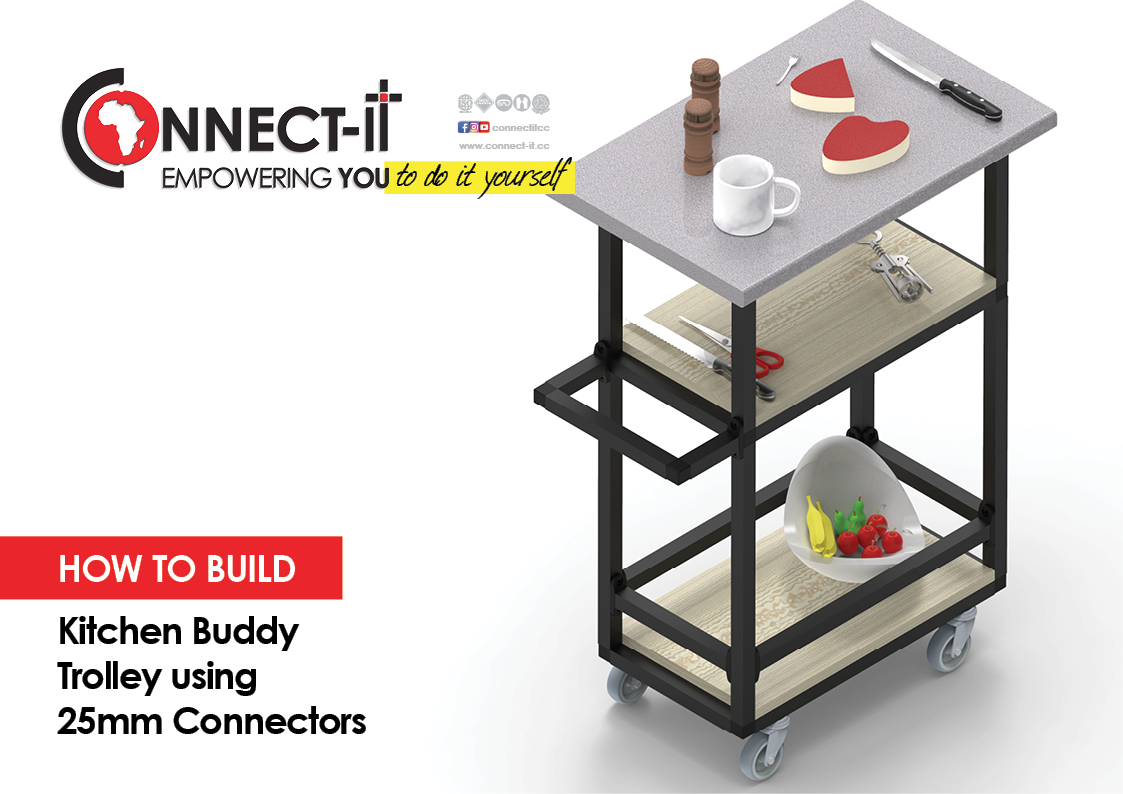
A kitchen trolley for a tight space
Many kitchens could use another surface, but have nowhere to put a full-sized cupboard or table.
A trolley could provide space for preparing food, storing vegetables or keeping frequently used items close at hand. Its usefulness depends on how well it fits the kitchen.
Measure doorways and the space where it will stand. Consider handles, shelf access and how the customer will move it. If you fit castors, choose them for the intended load and consider how the trolley will be kept steady during use.
The surfaces should suit their purpose and be easy to clean.
Build one version first. Once you know its cost and how it works in practice, you can offer variations in size or shelf layout.
A display stand for someone else’s business
Visit a local market and look at the stalls. Some traders need more space to show their products. Others struggle to keep a display tidy or spend too long setting it up.
A display stand could help, but talk to the trader before designing it.
What do they sell? How much stock must it hold? Does it need to fit into a small car? Will it be moved every weekend or stay in a shop?
Transport, stability and access matter as much as appearance. A stand that looks good but is awkward to pack may be frustrating to use.
Working through these questions with a customer gives you a clearer brief and a better basis for your quote.

Do the sums before saying yes
Your first enquiry is exciting. Give yourself time to calculate the price properly.
Include materials, finishing products, consumables, wastage, labour and any delivery or installation. Allow for overheads and profit too. Keep track of the time spent measuring, sourcing materials and finishing the product, as well as assembling it.
Write down what the customer will receive: dimensions, materials, finish, price and delivery arrangements. Confirm any changes before you proceed.
Then start with one order you can deliver well. Take photographs, keep your costing notes and ask the customer how the product works for them.
You may decide to keep building for pleasure. You may find a product worth making again. Either way, that first sample will tell you far more than a workshop full of unsold stock.
Choose a project, plan your build and see where it takes you.