You need a new workbench, a storage rack or perhaps a trolley for the braai. You could buy one, of course. But then you find yourself standing in a shop looking at something that is nearly right, thinking: I can build that.
And sometimes you should.
The first question is whether the ready-made option actually does what you need it to do. You need something 800 mm wide, but it comes in 750 mm or 900 mm. You need four shelves, but it has three. Or it would fit perfectly into the available space if you could just move the wall 50 mm to the left.
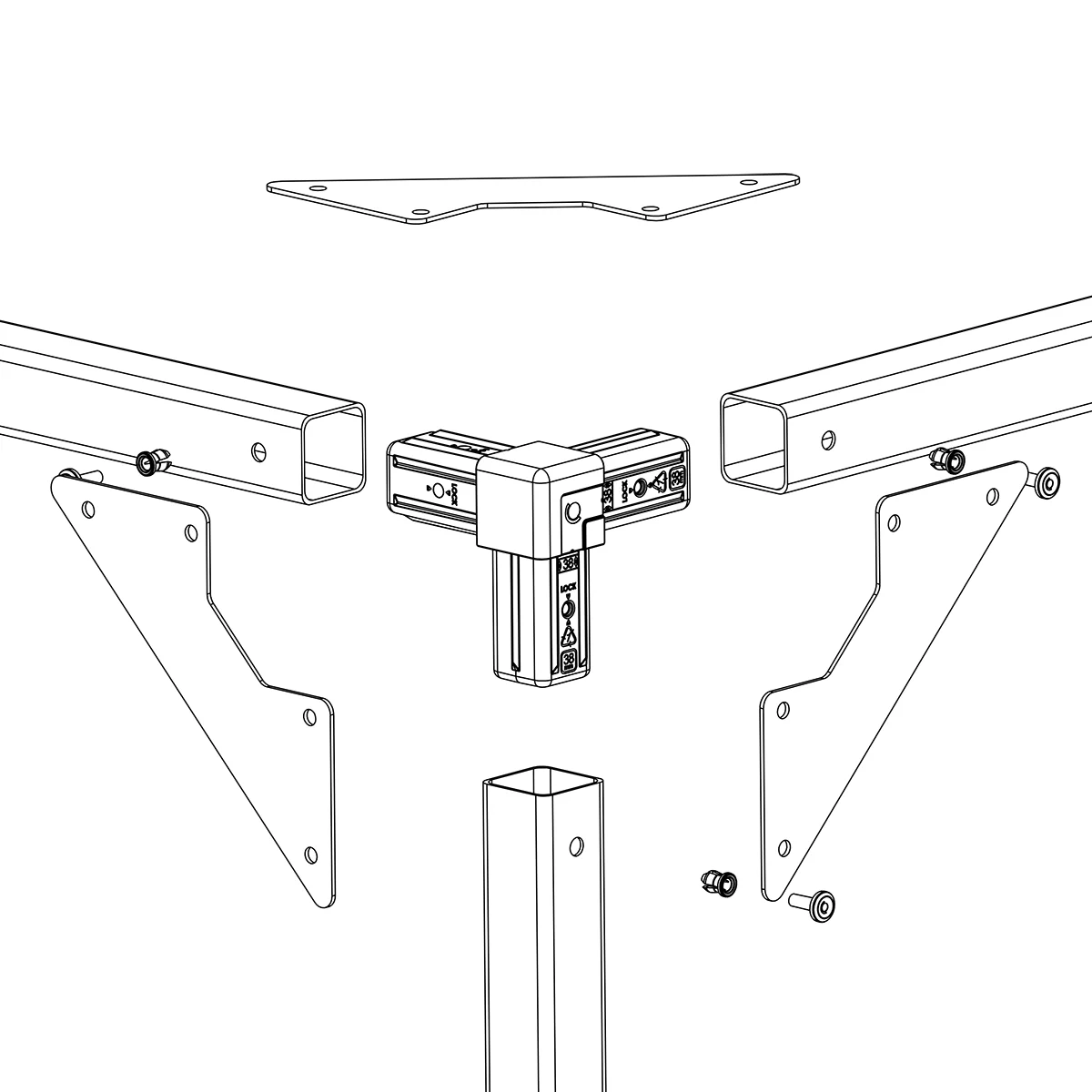
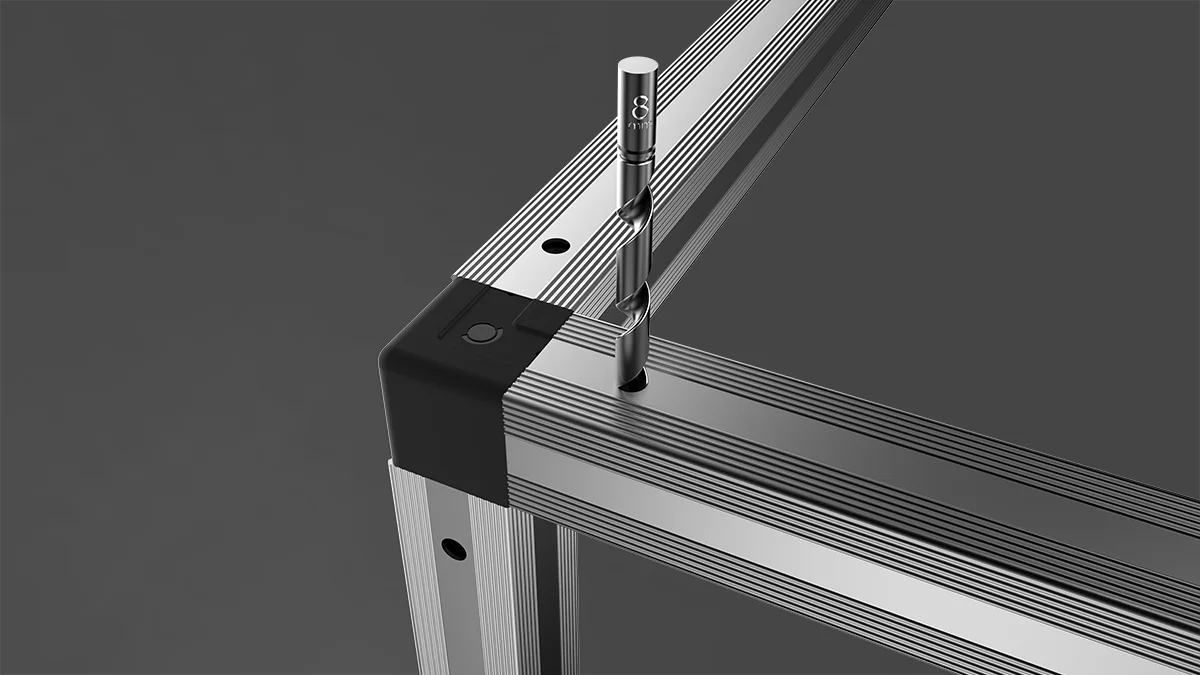
This is where building your own starts making sense. You begin with the space, not the product. Measure what you have, work out what needs to fit there and build accordingly. With Connect-it aluminium square tubing and connectors, you can build a frame to your own dimensions without welding. You also decide on the height, number of shelves, work surface and whether the whole thing should stay put or move around on castors.
But will it save you money?
Possibly.
DIY isn’t automatically cheaper, as anyone who has gone to the hardware store for “two things” and returned with a full trolley can confirm.
What it does give you is control over the budget. You decide where it’s worth spending more, where you can keep things simple and whether there are materials in the workshop you can use before buying more.
A Connect-it build can also start simple and be expanded later, so you don’t necessarily have to build the final version on day one.
Do the math before you start. If the ready-made option fits, does exactly what you need and costs less, buy it. There’s no prize for making life unnecessarily difficult.
What happens when your needs change?
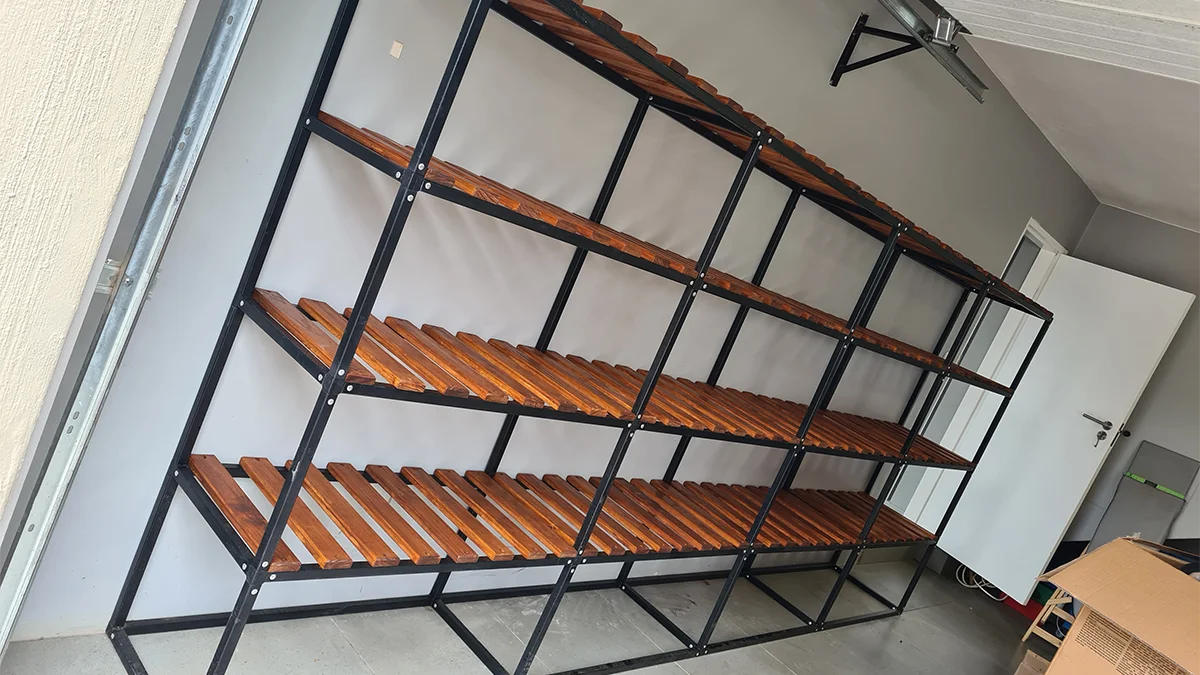
This is where a modular build earns its keep. The three-tier storage rack that is perfectly adequate today may need a fourth shelf six months from now because tools have a habit of accumulating when nobody is watching.
A Connect-it structure can be adapted or extended rather than replaced. Add another shelf, fit castors, change the worktop or alter the configuration when you need to. That flexibility is particularly useful in workshops, garages and workspaces that tend to evolve over time.
And then there’s the other reason people build things themselves: because they enjoy it. There’s a particular satisfaction in using a workbench, shelf or trolley that started as a measurement scribbled on a piece of paper and ended as something that works exactly as intended. Mostly exactly as intended, anyway.

So, buy or build?
If you can buy exactly what you need at the right price, buying it makes perfect sense.
But if the available options are all slightly too big, too small, too expensive or simply not quite right, building gives you another option. You determine the dimensions, the function and the budget, and you can change the finished product later if you need to.
And if you’ve already measured the available space while reading this, the debate is probably over.